Leave your details and a comment
We'll contact you to arrange a convenient date and time.

EN
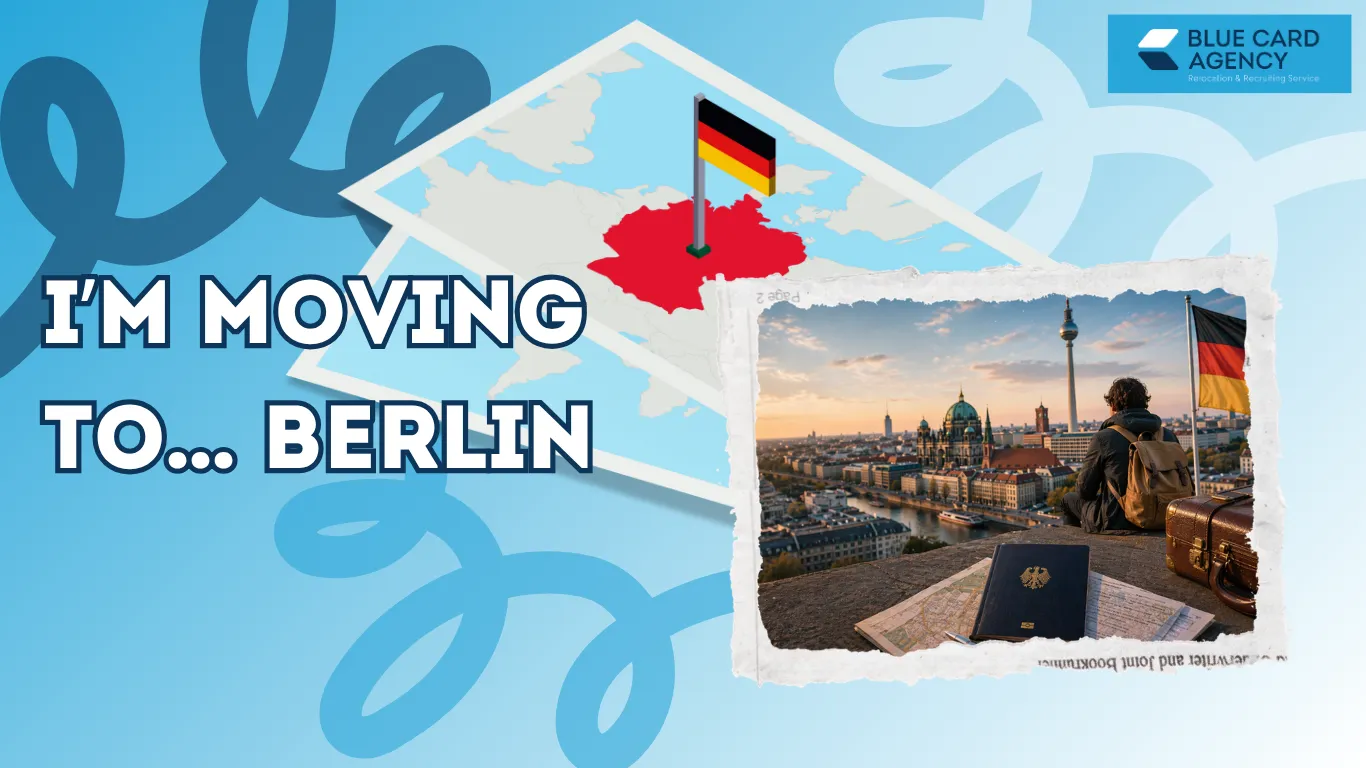
I’m moving to… Berlin
“Leave Russia.” Statistics show that this Google search query is gaining popularity again.
There are many reasons: mobile internet in Russia is unstable, and from April 1 the country is preparing to block Telegram and other foreign services. A draft law regulating cryptocurrencies in Russia may be submitted to the State Duma. People over 60 may have international calls disabled. Queues for international passports have formed in Moscow and several other major cities.
The Ministry of Internal Affairs denies a wave of emigration from Russia, while noting that the overall number of international passports issued to the country’s adult population in January and February of the current year increased by 15% compared with the same two months of 2025. This may also be linked to the fact that five-year passports are no longer widely accepted in the EU and other countries. For example, two of our clients already had to urgently obtain 10-year biometric passports, even though they had valid five-year passports.
Who is leaving now
Today, two categories of people are packing their suitcases.
The first group is those who have truly had enough and have made a final decision.
The second group is those who had been thinking about it for a long time but kept postponing it.
As a rule, these are mobile people used to traveling, with a 10-year biometric passport already in hand.
Let’s also be honest about something else. A significant part of the current wave consists of young people aged 18 to 25, for whom internet and messenger blocks became the final straw.
Germany: realistic, but preparation is required
The German Embassy in Russia is still operating and issuing visas. The path is much more difficult than it was a few years ago, but it still exists.
The fastest and most practical routes today are:
Blue Card – the most reliable option for specialists with higher education and verified experience. Processing time starts from 3 months. Requirements: a 10-year biometric international passport, a recognized diploma, and a German employer.
Chancenkarte – suitable for those who have already graduated from university and are ready to look for work directly in Germany.
Freelance visa – for those who can prove their experience and client base.
A route through third countries is also possible – Serbia, Georgia, Montenegro, Azerbaijan – followed by applying for a German visa through local embassies.
How we help
Our agency has been working with relocation to Germany since 2019. Over the years, we have been mentioned by RBC, Forbes, and other major publications, and we were included in the top 100 relocation agencies and relocation market maps.
We cover the entire relocation cycle:
- Finding an employer in Germany
- Recognition of diplomas and documents
- Help finding business partners and clients for freelancers
- Housing search
- Visa processing and support at every stage
If your situation is unusual, contact us.
We do not promise magic solutions, but we will honestly assess your case and tell you what is realistic and what is not.
Contact us
This article was prepared based on current Google Trends data, public statements from the Russian Ministry of Internal Affairs, and the agency’s experience working with clients in 2025–2026.
This information is for general guidance only and is based on practical experience and open-source data. It is not legal advice and does not replace it.
Read also
-
Which Residence Permits Are Available to Ukrainians Under §24—and Which…
-
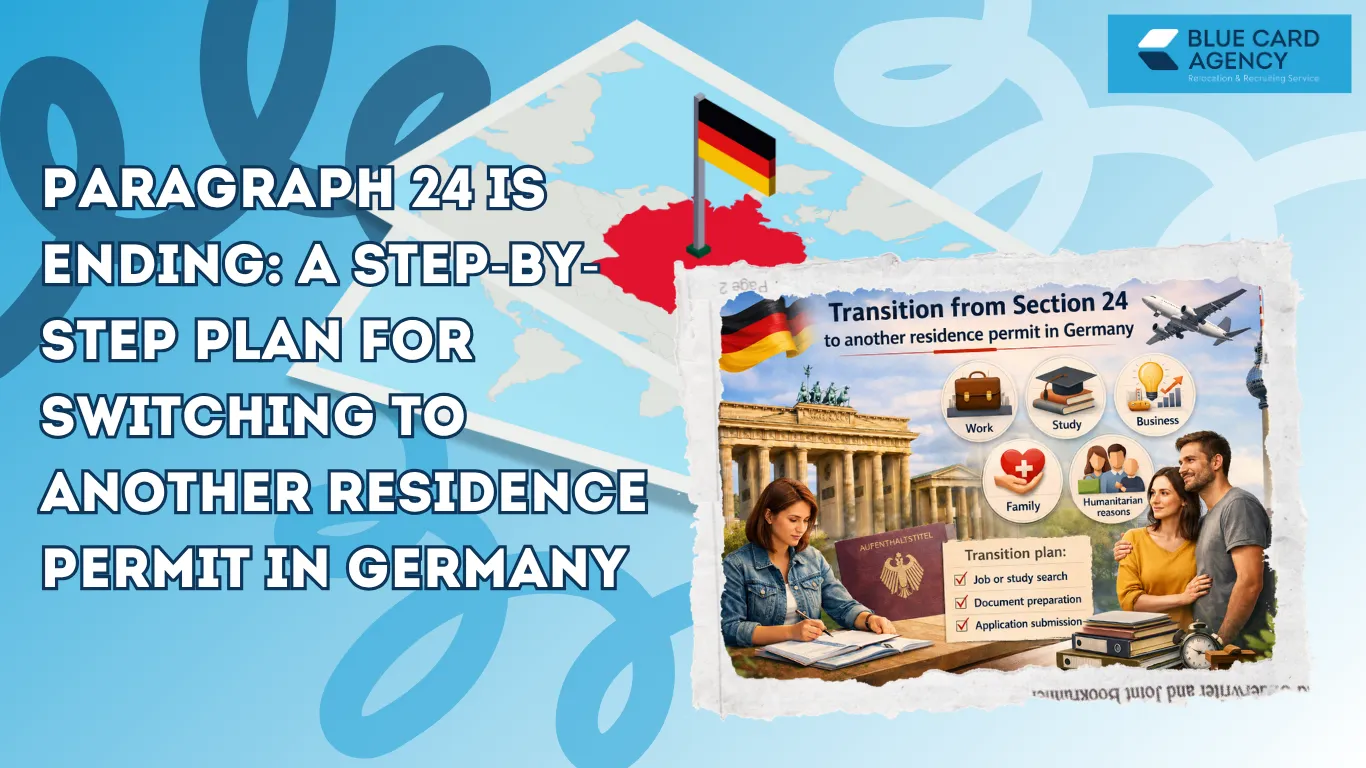
Paragraph 24 is ending: a step-by-step plan for switching to…
-
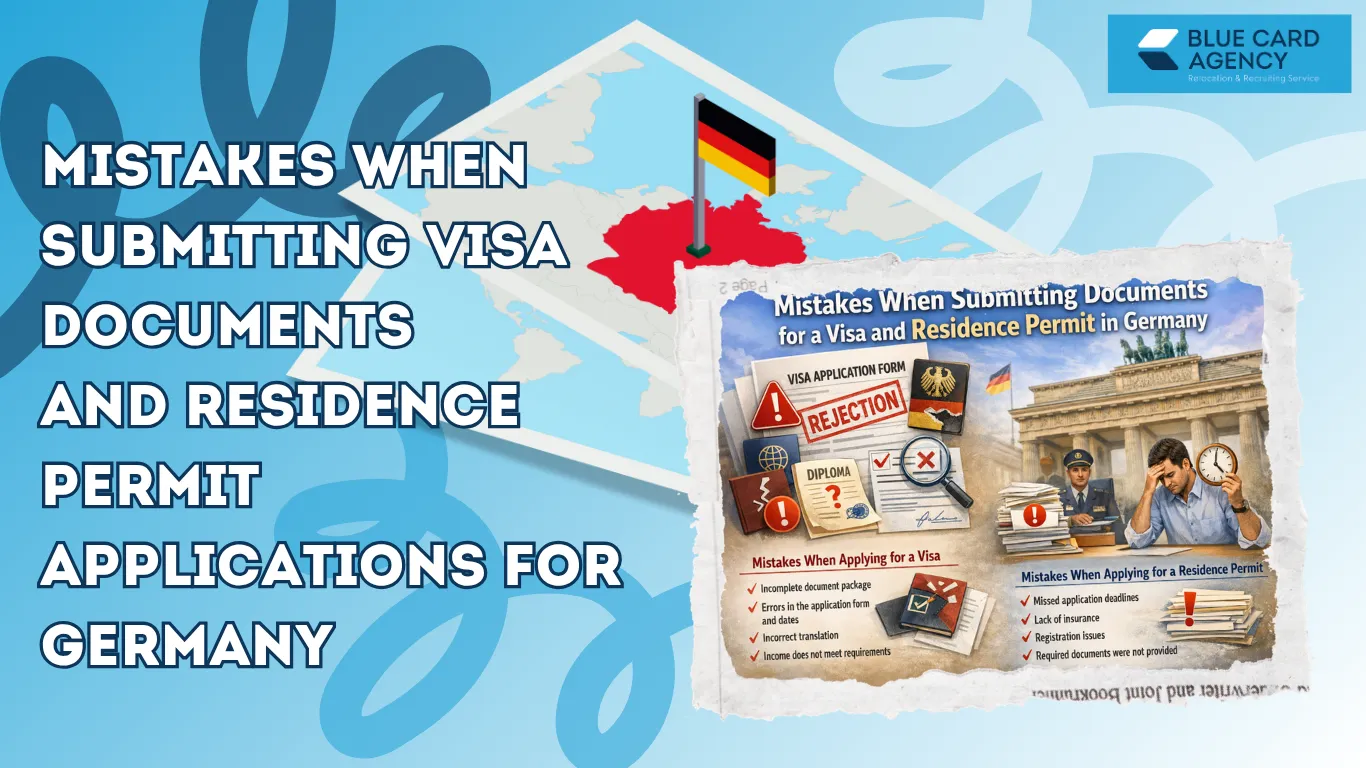
Mistakes when submitting visa documents and residence permit applications for…
-
-

How to arrange health insurance in Germany Health insurance in…
-

How to prepare your family for moving to Germany: tips…


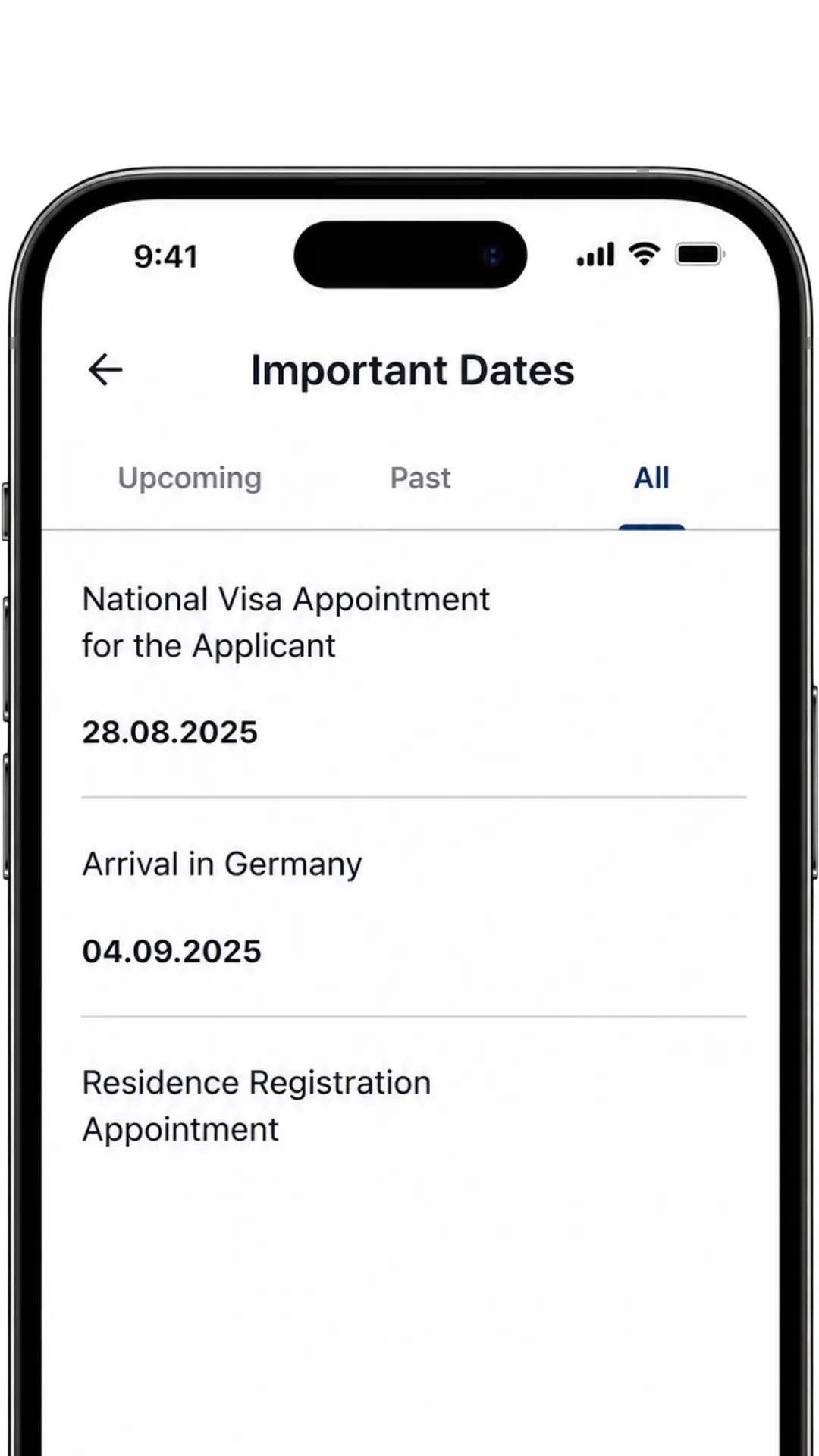
Download Our App!
Everything you need for relocating to Germany in one place: visa and document tracking, 24/7 chat with your personal manager, up-to-date adaptation tips, deadline reminders, and a personalized relocation plan — manage the entire process without calls or bureaucracy.